tl;dr
Leadfeeder is a B2B lead generation tool that identifies companies visiting your website and converts anonymous traffic into actionable sales leads. It integrates with your existing CRM and analytics stack to reveal visitor intent and firmographic data, helping sales teams prioritize high-value prospects. While effective for companies with significant web traffic, Leadfeeder works best as part of a broader lead generation strategy rather than a standalone solution. Its pricing scales with usage, and success depends heavily on having quality incoming traffic and proper CRM integration to maximize ROI.
Best 10 alternatives to
Leadfeeder
⭐️ Don’t trust the hype. See the alternative that actually delivers result.
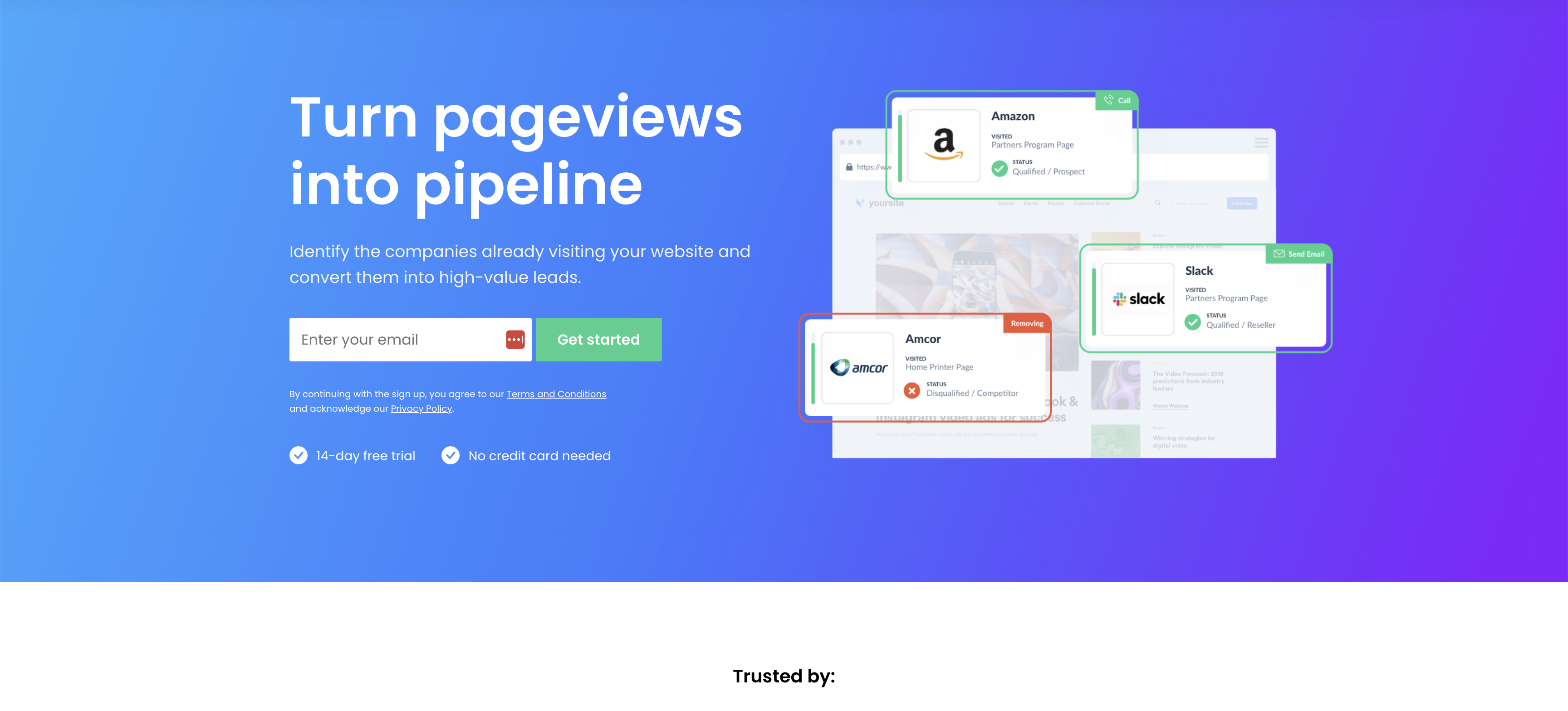
Leadfeeder earns solid marks for its core functionality in website visitor identification, delivering reliable data on anonymous traffic patterns and company-level insights. Users consistently praise the platform's integration capabilities with CRM systems and its ability to surface high-intent leads through behavioral signals. The interface is intuitive, allowing sales teams to quickly identify and prioritize prospects without extensive technical training. However, the accuracy of visitor attribution can vary depending on traffic volume and geographic location, with some users reporting occasional false positives in smaller markets. The platform's strength lies in its focused approach to web-based lead discovery, though organizations seeking more comprehensive data enrichment—such as detailed contact information, technographic intelligence, or multi-channel intent signals—may find the solution somewhat limited on its own.
Overall user satisfaction remains high among mid-market B2B companies, particularly those with consistent website traffic and established sales processes. The reliability of Leadfeeder's core service is dependable, with minimal downtime reported across user reviews. What distinguishes the platform is its specialization: it excels at answering "who visited my website," but doesn't claim to provide the deeper enrichment layers that more comprehensive data intelligence tools offer. Teams looking to combine visitor identification with broader prospect research, employment changes, or real-time buying signals often need to layer additional solutions alongside Leadfeeder to maximize their lead generation ROI.
Explore more reviews that may interest you. Check out user experiences and insights to help you make an informed decision.

Leadfeeder excels at transforming website visitors into actionable sales intelligence, offering a streamlined experience for B2B companies seeking to identify and prioritize high-value accounts. The platform's core strength lies in its ability to track anonymous web traffic and reveal company identities with reasonable accuracy, enabling sales teams to focus on qualified prospects. The interface is intuitive, making it accessible for non-technical users, and the integration ecosystem with popular CRM platforms like Salesforce and HubSpot ensures smooth data flow into existing workflows. Users consistently report improved lead qualification efficiency and faster sales cycles, particularly when combined with a comprehensive data enrichment strategy.
The platform's differentiation centers on its real-time visitor identification capabilities and behavioral tracking features, which provide context beyond basic firmographic data. However, while Leadfeeder delivers strong website intelligence, some organizations may benefit from complementary enrichment solutions that offer deeper company intelligence, verified contact data, or more granular technographic insights—areas where specialized enrichment platforms provide additional depth and coverage.
While Leadfeeder excels at identifying website visitors, several limitations emerge when scaling its use across larger sales operations. The platform's accuracy depends heavily on the quality of your website traffic data, meaning companies with low visitor volumes or niche audiences may struggle to generate sufficient leads. Additionally, Leadfeeder's enrichment capabilities are limited compared to dedicated B2B data platforms—contact information is often incomplete, and the tool lacks deeper firmographic insights that sales teams need to qualify prospects effectively. Users frequently report delays in lead delivery, with some prospects identified days or weeks after their initial website visit, reducing the window for timely outreach.
Integration with existing CRM and marketing automation workflows can be cumbersome, requiring manual configuration and ongoing maintenance to ensure data flows cleanly into downstream systems. The platform's reliance on cookie-based tracking also means you'll miss visitors using privacy-focused browsers or VPN services, creating blind spots in your prospect intelligence. For teams seeking richer, real-time account data and more granular control over data validation before enrichment, Leadfeeder's one-dimensional approach to visitor identification may feel limiting.
Leadfeeder operates on a subscription-based pricing model with tiered plans designed to accommodate businesses of varying sizes. The platform typically offers starter, professional, and enterprise options, with pricing based on the number of leads generated and features included. Each plan provides access to core functionalities such as website visitor identification and CRM integration, with higher tiers unlocking advanced analytics and priority support. Visit our Leadfeeder pricing breakdown for detailed plan comparisons and current rates.
Explore more reviews that may interest you. Check out user experiences and insights to help you make an informed decision.

Vayne Review: Pros and Cons of the Leading Derrick Alternative - Honest Analysis & Comparison

VoilaNorbert review: Find professional email addresses instantly. Compare pros & cons, features, pricing & alternatives. See if it's right for your business.

Discover Skrapp's pros and cons in our in-depth review. Learn if this tool is right for you with honest insights on features, pricing, and performance.
.svg)

